AI Photo Restoration
Models
Nano

Google's cutting-edge image generation model

3 credits
Fast
High Quality
Flux

Flux Kontext standard model with balanced performance

4 credits
Fast
High Quality

Powered by Google Nano Banana Official API

Public Visibility

When this option is enabled, the output image may be selected by AI Generate and published to the Explore.

Notification
This is a notification message
Sample Images

AI Photo Restoration Forge Your Memories From the Ashes of Time

In the frozen wasteland of forgotten photographs, AI photo restoration stands as your last hope. Lovart ME harnesses cutting-edge image enhancement AI technology to breathe warmth back into deteriorated images. Whether you need old photo repair for water-damaged prints, photo colorization for faded black-and-white portraits, or comprehensive scratch removal—our AI-powered restoration engine works tirelessly to restore damaged photos and preserving the memories that matter most.

3-5 Minutes
100% AI Powered
Free No Download

Key Features of AI Photo Restoration

Like the great Generator that powers a frozen city, our AI photo restoration engine provides comprehensive capabilities to salvage your most precious memories from the clutches of decay and deterioration.

Automated Damage Detection

Advanced neural networks scan every pixel, identifying scratches, tears, stains, and fading patterns. Our AI photo restoration algorithms map damage with surgical precision, prioritizing repairs based on severity for optimal results.

Scratch & Tear Reconstruction

Eliminate surface scratches and physical tears that mar your vintage photographs. Photo scratch removal technology intelligently fills damaged areas with authentic texture, making imperfections vanish while preserving the original character.

Context-Aware Colorization

Transform monochrome memories into vibrant, lifelike photographs. Our photo colorization AI examines era-specific clothing, analyzes skin tones, and applies historically accurate color palettes to create natural-looking results.

Facial Detail Enhancement

Restore lost clarity to portrait photographs with AI-powered facial recognition. The technology sharpens blurred features, enhances eye definition, and improves skin texture without creating artificial appearances in your restored photos.

Missing Area Reconstruction

Rebuild torn edges, repair missing corners, and reconstruct damaged sections through intelligent extrapolation. Our old photo repair algorithms extend backgrounds and fill gaps seamlessly using advanced contextual understanding.

Resolution Upscaling

Enlarge low-resolution photographs while enhancing sharpness. Image enhancement AI generates additional pixel information intelligently, allowing small vintage prints to become high-resolution digital images suitable for large-format printing.

lovart.me/ai-photo-restoration

Drop photos here to start restoration

No Downloads Required - Pure Online Experience

Like a well-oiled machine that runs without friction, Lovart ME's AI photo restoration operates entirely in your browser. There's no software to install, no plugins to configure, and no storage space consumed on your device—simply upload your damaged photographs and watch as our image enhancement AI breathes new life into them.

  • Instant access from any modern browser—Chrome, Firefox, Safari, Edge
  • Works seamlessly on desktop, tablet, and mobile devices
  • Enterprise-grade encryption protects your photos during processing
  • Automatic deletion within 24 hours—your memories stays private

Experience the full power of photo restoration without compromising your system. Need more AI image generation tools? Explore our complete creative suite.

AI Photo Restoration Artwork Showcase

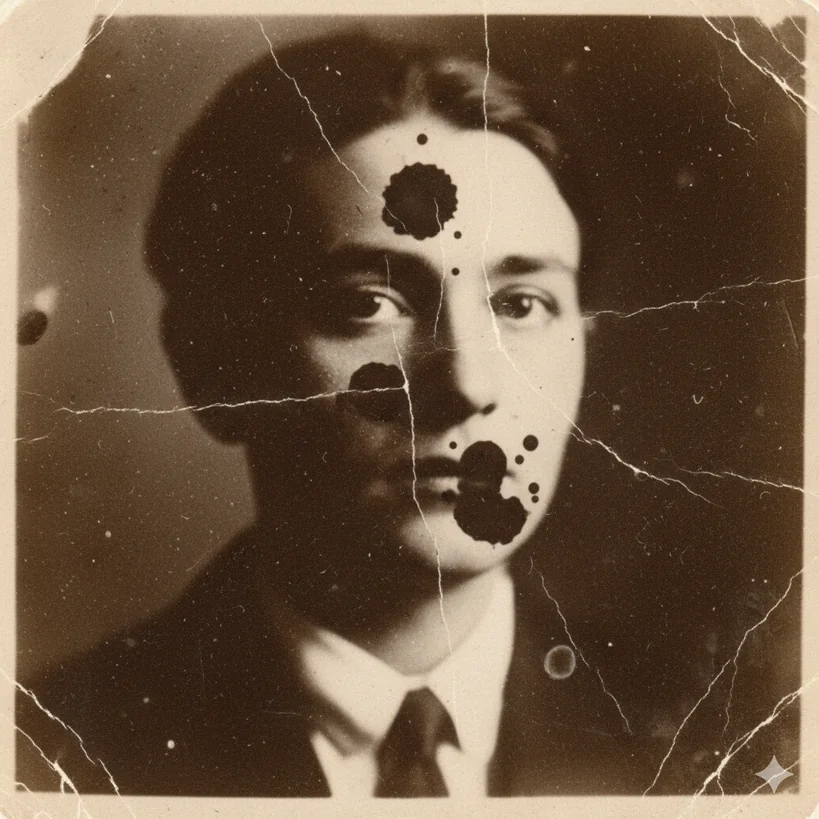
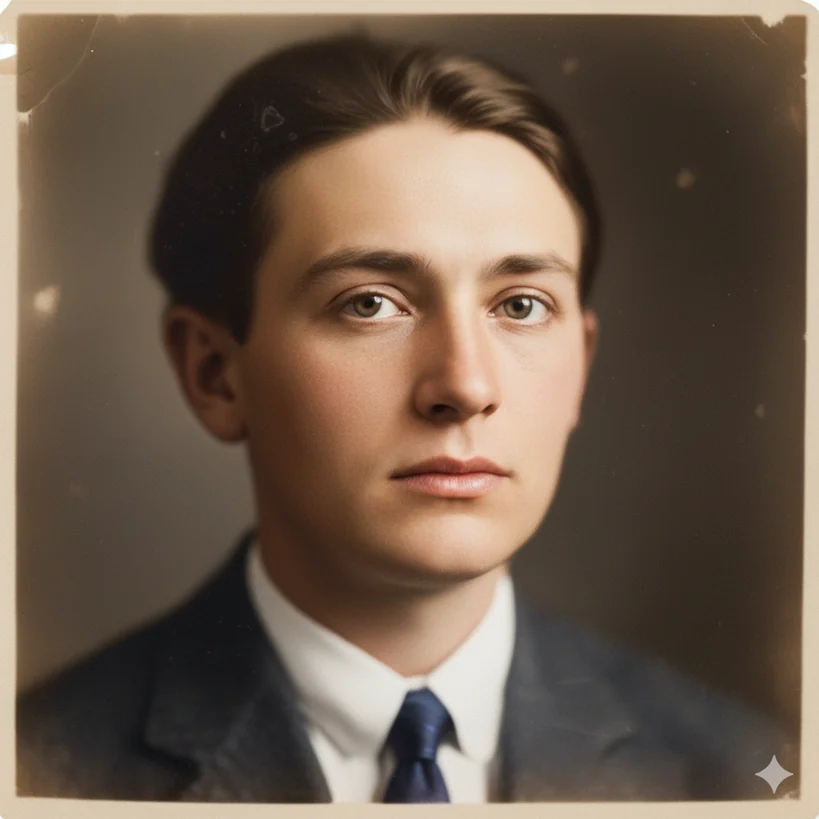
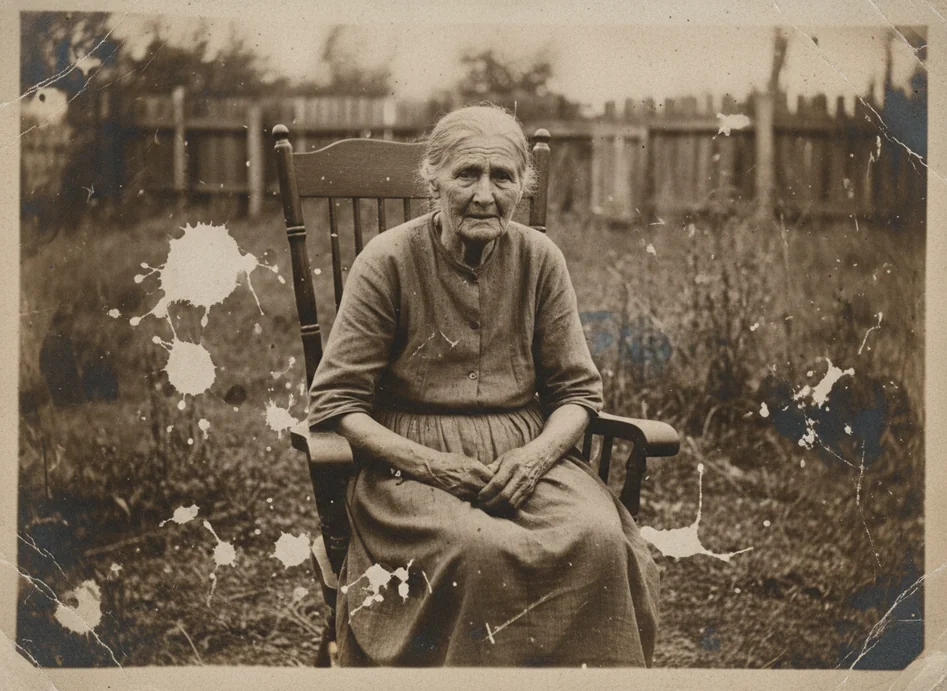
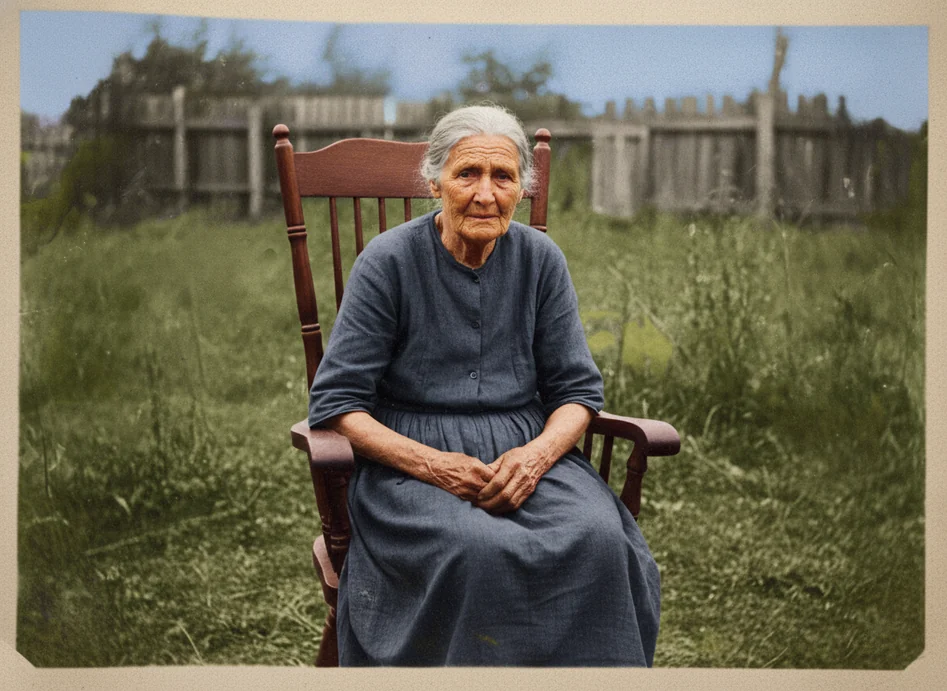
Witness the transformative power of AI photo restoration technology. These before-and-after comparisons demonstrate how Lovart ME resurrects photographs from the brink of complete deterioration.

damaged
damaged
restored
restored

Portrait Recovery

Severely damaged family portrait restored with AI photo restoration, recovering facial details thought lost forever.

faded
faded
enhanced
enhanced

Color Revival

Faded vintage photograph brought back to life with vibrant photo colorization and clarity enhancement.

Latest AI Photo Restoration Innovations

Lovart ME continuously refines its image enhancement AI algorithms, incorporating breakthrough technologies to deliver increasingly remarkable restoration results.

Temporal Consistency Engine

Processing batch restorations of the same subject? Our temporal consistency engine ensures photo colorization remains uniform across multiple photographs, maintaining skin tones, clothing colors, and environmental palettes for cohesive family album restoration.

Adaptive Grain Preservation

Film grain tells a story. Unlike aggressive noise reduction that creates plasticky results, our old photo repair technology intelligently distinguishes between authentic grain and unwanted damage, preserving the vintage character while eliminating deterioration artifacts.

Multi-Spectral Analysis

Advanced algorithms analyze photographs across multiple spectral dimensions, detecting subtle damage invisible to the naked eye. This enables the image enhancement AI to repair early-stage deterioration before it becomes visible degradation.

Advanced AI Photo Restoration Techniques

Understanding the methodologies behind our AI photo restoration helps you appreciate the precision engineering that goes into every restoration performed by Lovart ME.

01

Damage Classification Protocol

Before any restoration begins, the AI performs comprehensive damage assessment. Scratches, tears, water damage, mold spots, chemical stains, and foxing are each classified with specific repair protocols. This systematic approach to AI photo restoration ensures each damage type receives appropriate treatment rather than generic processing that could worsen certain conditions.

02

Era-Specific Color Mapping

Photo colorization requires more than guessing colors—it demands historical accuracy. Our AI references extensive databases of period-appropriate color palettes, fabric dyes available in specific decades, automobile paint codes, and military uniform specifications. A 1940s portrait receives different color treatment than a 1970s photograph, respecting the distinct chromatic signatures of each era.

03

Progressive Resolution Synthesis

Rather than upscaling images in a single pass, our image enhancement AI employs progressive synthesis. The algorithm works through multiple resolution stages, allowing higher-level features to inform lower-level detail generation. This produces sharper results with more natural texture than conventional upscaling methods.

04

Edge-Aware Inpainting

When reconstructing damaged areas, maintaining edge integrity is crucial. Our old photo repair technique uses edge-aware inpainting that preserves and extends existing boundaries while filling interior regions. This prevents the blurry transitions that plague simpler restoration approaches.

05

Facial Geometry Reconstruction

Portrait restoration represents the most challenging AI photo restoration category. Lovart ME utilizes facial landmark detection combined with 3D geometry estimation to accurately restore damaged photos where faces have been partially obscured. The AI maintains proper proportions and natural expressions even when significant portions require reconstruction. Discover our flexible pricing plans for high-volume restoration projects.

Creative Applications for AI Photo Restoration

Beyond simple repair work, AI photo restoration opens creative possibilities for preserving history, honoring memories, and breathing new life into visual archives.

Family Heritage Preservation

Rescue deteriorating family photographs from albums and shoeboxes. AI photo restoration at Lovart ME transforms damaged prints into pristine digital archives, ensuring ancestral memories survives for future generations to cherish and share.

Historical Documentation

Museums, libraries, and historical societies rely on old photo repair technology to preserve documentation of significant events. Our restoration capabilities make aged photographs suitable for publication, exhibition, and educational purposes.

Memorial & Tribute Projects

Prepare cherished photographs for memorial services and commemorative displays. Restore damaged photos to ensure images used in eulogies and remembrance presentations display loved ones with the dignity they deserve.

Genealogy Research

Improve clarity of ancestral photographs discovered during family history research. Photo colorization brings life to vintage portraits, making it easier to identify family resemblances and share vibrant ancestor images in family tree documentation.

Digital Album Creation

Convert physical photo albums into pristine digital collections. AI photo restoration removes decades of accumulated deterioration, creating clean digital copies perfect for sharing with family, backing up securely, or reprinting without visible damage.

Professional Restoration Services

Professional photographers accelerate workflow with AI-powered batch processing. Use image enhancement AI to quickly handle standard damage while reserving manual expertise for the most challenging restorations. Explore our complete AI creative platform for more professional tools.

AI Photo Restoration FAQs

Everything you need to know about using AI photo restoration at Lovart ME to preserve your precious photographs and family memories.

What exactly is AI photo restoration?

AI photo restoration uses artificial intelligence to automatically identify and repair damage in photographs. It removes scratches, tears, stains, and fading while enhancing clarity and optionally adding realistic colors to black-and-white images. The technology analyzes your photo's historical context and applies sophisticated repairs that would require hours of manual work by traditional restorers.

How long does photo restoration take?

Most AI photo restoration processes at Lovart ME complete in just 3-5 minutes depending on image size and damage complexity. Unlike professional manual services requiring days or weeks, automated AI analysis and repair happens almost instantly—allowing you to restore entire albums in the time traditional methods handle a single photograph.

Can AI restore severely damaged photos?

While AI excells at repairing most damage types, results depend on how much original information remains. Photos with complete loss of facial details or large missing sections may show imperfect reconstruction. However, even severely damaged photographs typically show dramatic improvments with photo scratch removal, stain elimination, and color restoration.

Is AI colorization historically accurate?

Lovart ME's photo colorization AI analyzes era-specific details including clothing styles, environmental elements, and cultural context to predict historically appropriate colors. While not 100% definitive without original references, the system applies period-accurate palettes and contextual understanding for realistic results.

Will restoration reduce image quality?

No. Professional AI photo restoration maintains or enhances resolution while repairing damage. Many users find restored photos display better clarity than deteriorated originals, making fine details visible that aging and damage had previously obscured completely.

What file formats are supported?

Lovart ME supports JPEG, PNG, WEBP, and other common image formats for old photo repair. For best results, scan physical photographs at high resolution (minimum 300 DPI) before uploading. Higher resolution scans provide more detail for AI algorithms to analyze during processing.

How much does AI restoration cost?

Lovart ME offers free core restoration features with optional premium capabilities. Compared to professional manual restoration (typically $35-100 per image), AI photo restoration provides dramatic cost savings, especially when restoring multiple photographs from family albums.

Are my photos kept private and secure?

Lovart ME implements enterprise-grade security with encrypted uploads and automatic deletion within 24 hours. Automated AI processing eliminates human access to your photographs, providing maximum privacy for personal and family images during restoration.

Can I restore multiple photos at once?

Yes, Lovart ME offers batch processing to apply consistent AI photo restoration across entire collections. This feature proves invaluable when digitizing photo albums, maintaining uniform quality while processing dozens of images efficiently.

What types of damage can AI repair?

AI photo restoration handles scratches, tears, creases, water stains, mold damage, sepia toning, fading, yellowing, and general age deterioration. Physical damage like pinholes and missing pieces can be reconstructed based on surrounding context.

Can restored photos be printed professionally?

Absolutely. Image enhancement AI often includes resolution upscaling, producing high-quality files suitable for printing services. Many users create reprints of restored family photographs for framing, with results surpassing deteriorated original print quality.

How does AI decide colorization colors?

Photo colorization algorithms examine clothing patterns, environmental elements, skin tone ranges, and historical period indicators. The AI references vast databases of period-appropriate color palettes for realistic, era-specific colorization.

What makes Lovart ME different from other tools?

Lovart ME combines multiple specialized AI models in a unified AI photo restoration platform. Unlike single-purpose tools, our system addresses damage detection, colorization, upscaling, and enhancement simultaneously with contextual awareness that produces cohesive results.

Do I need to create an account?

Basic old photo repair features are accessible without registration. Creating a free account unlocks additional capabilities, processing history, and batch restoration options for users who want the complete Lovart ME experience.

What are the limitations of AI restoration?

AI cannot perfectly restore photos with complete loss of critical details. Very severe damage or total content loss may lead to imperfect reconstruction since AI photo restoration relies on surrounding context. However, partial information often yields surprisingly accurate results.